After Thanksgiving dinner, most of us end up snoozing on the couch (turkey gets the blame but the bigger factor is how much we ate).
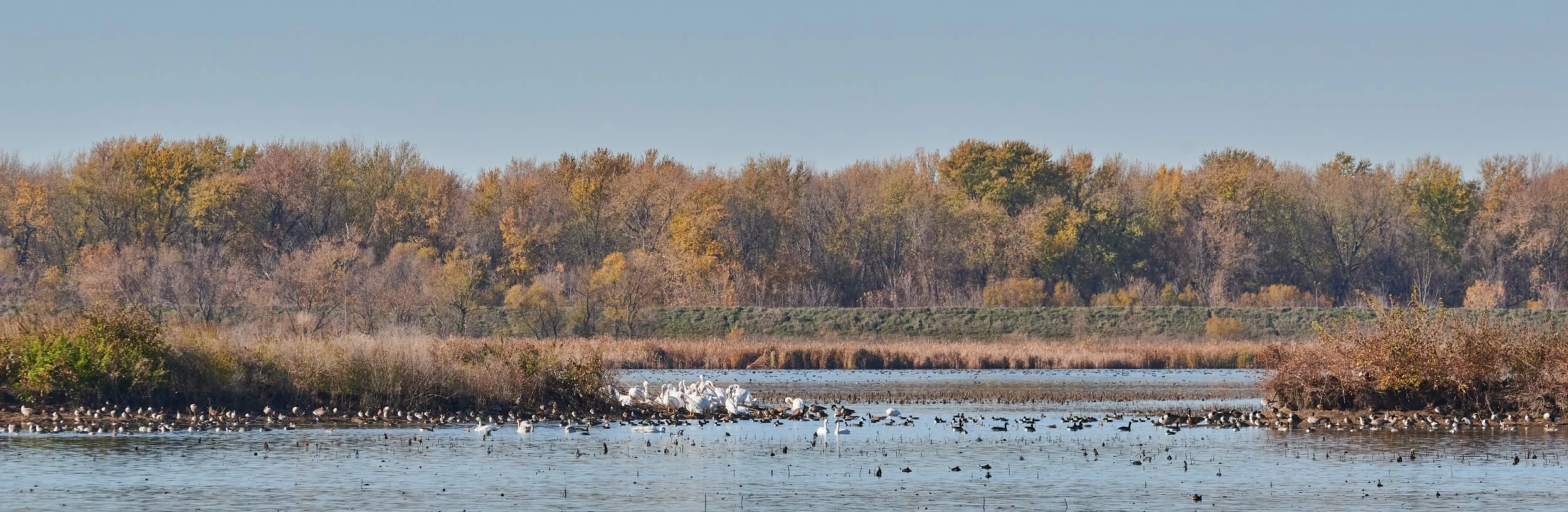
Wetland wildlife slows down this time of year too, though their version is a little bit more extreme.
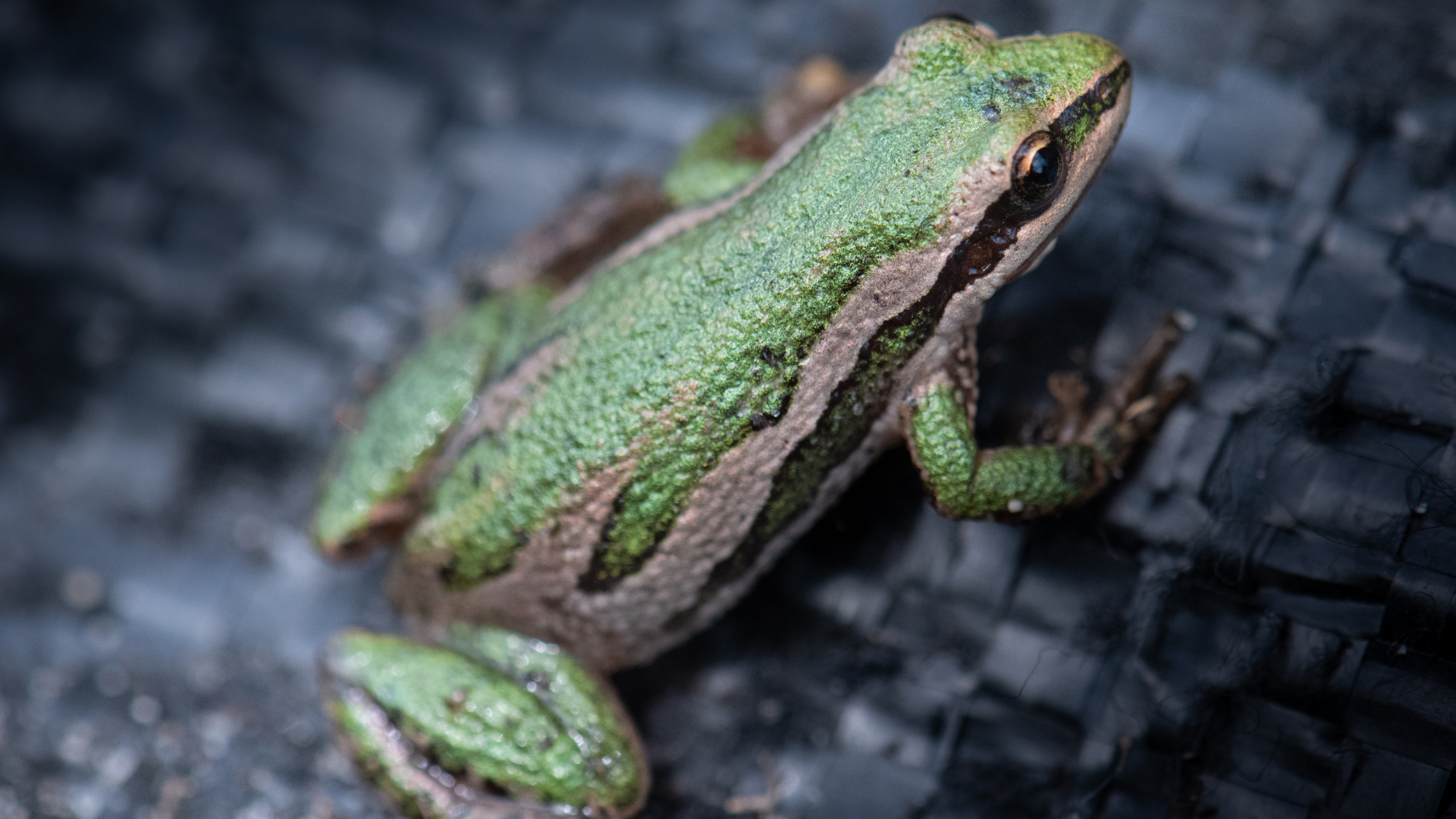
For example, chorus frogs spend the winter under nearby leaves and logs, where much of the water in their bodies freezes. Their hearts stop. The sugars in their cells act as antifreeze, and in the spring they thaw out and start calling again.
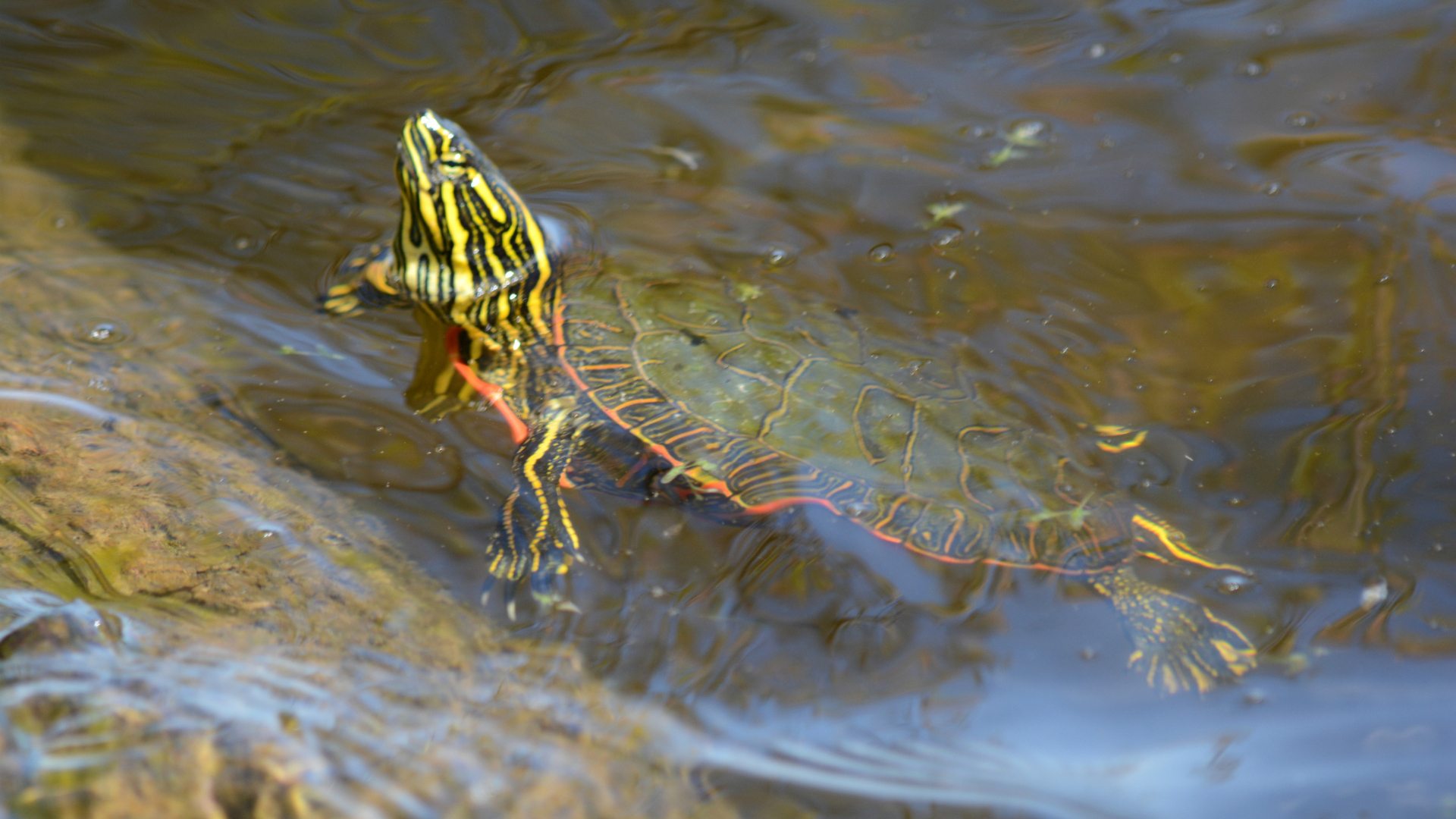
Painted turtles settle at the bottom of marshes under the ice and barely move for months. Their bodies need so little oxygen at this time that they get by on what they absorb through their skin (among other body parts).
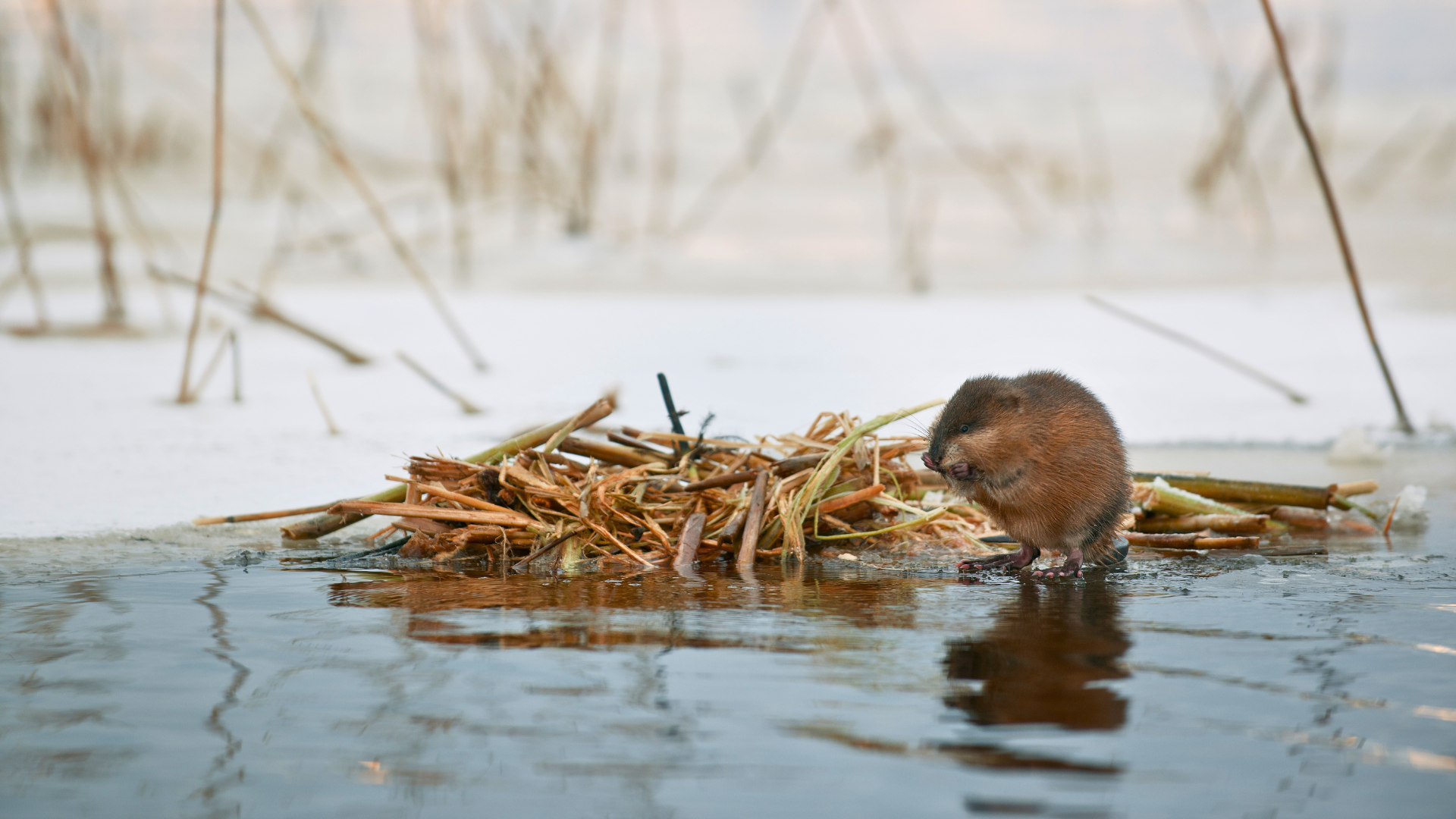
It’s a different story for muskrats who don’t hibernate at all! They spend the winter swimming under the ice and eating cattails, opening up pockets in thick stands. The result is hemi-marsh, an important habitat that ducks and marsh birds need. It’s the same habitat we work to create at our own restoration sites, so we’re grateful for the help. They don’t take the winter off, and neither do we!
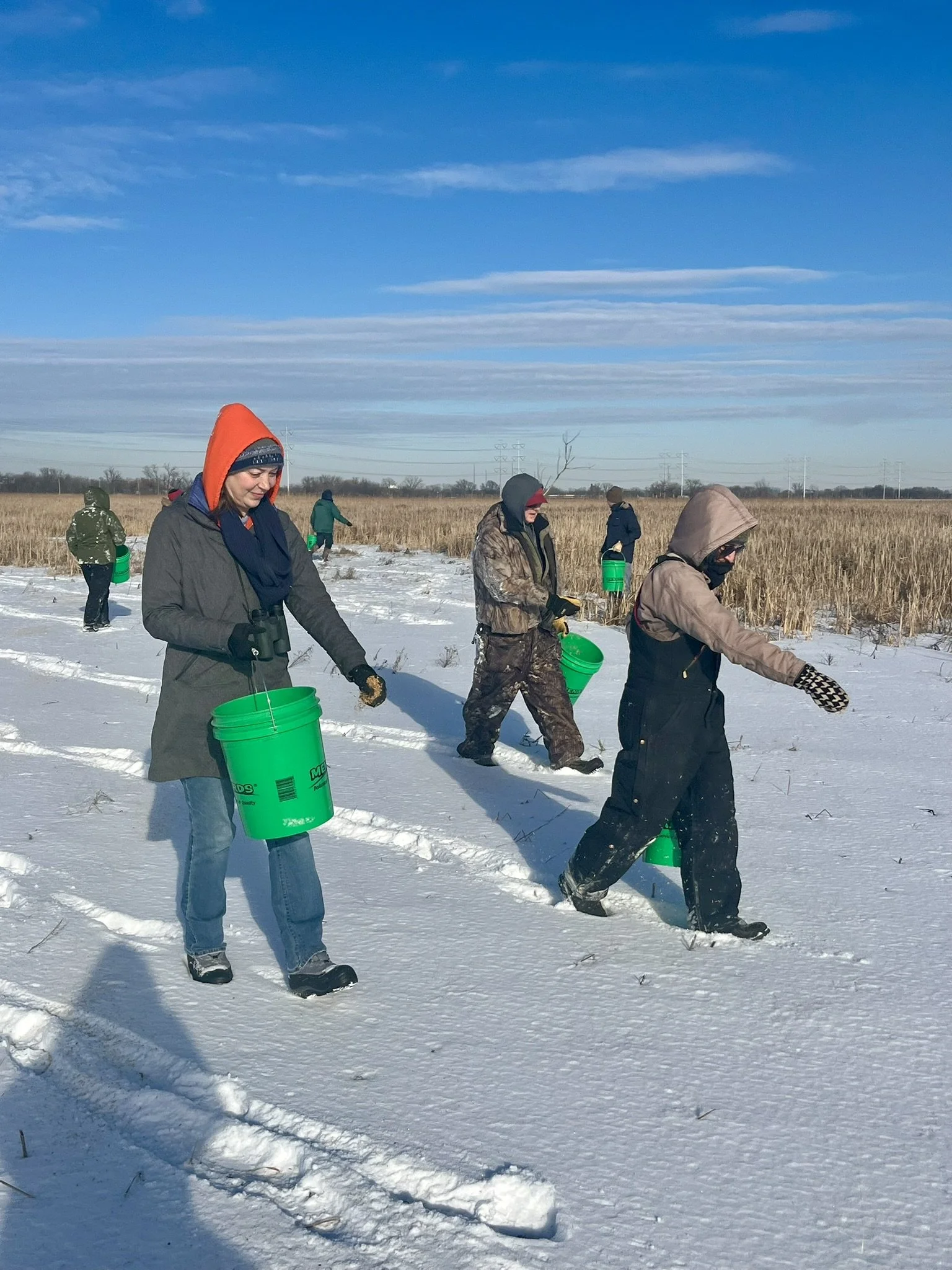
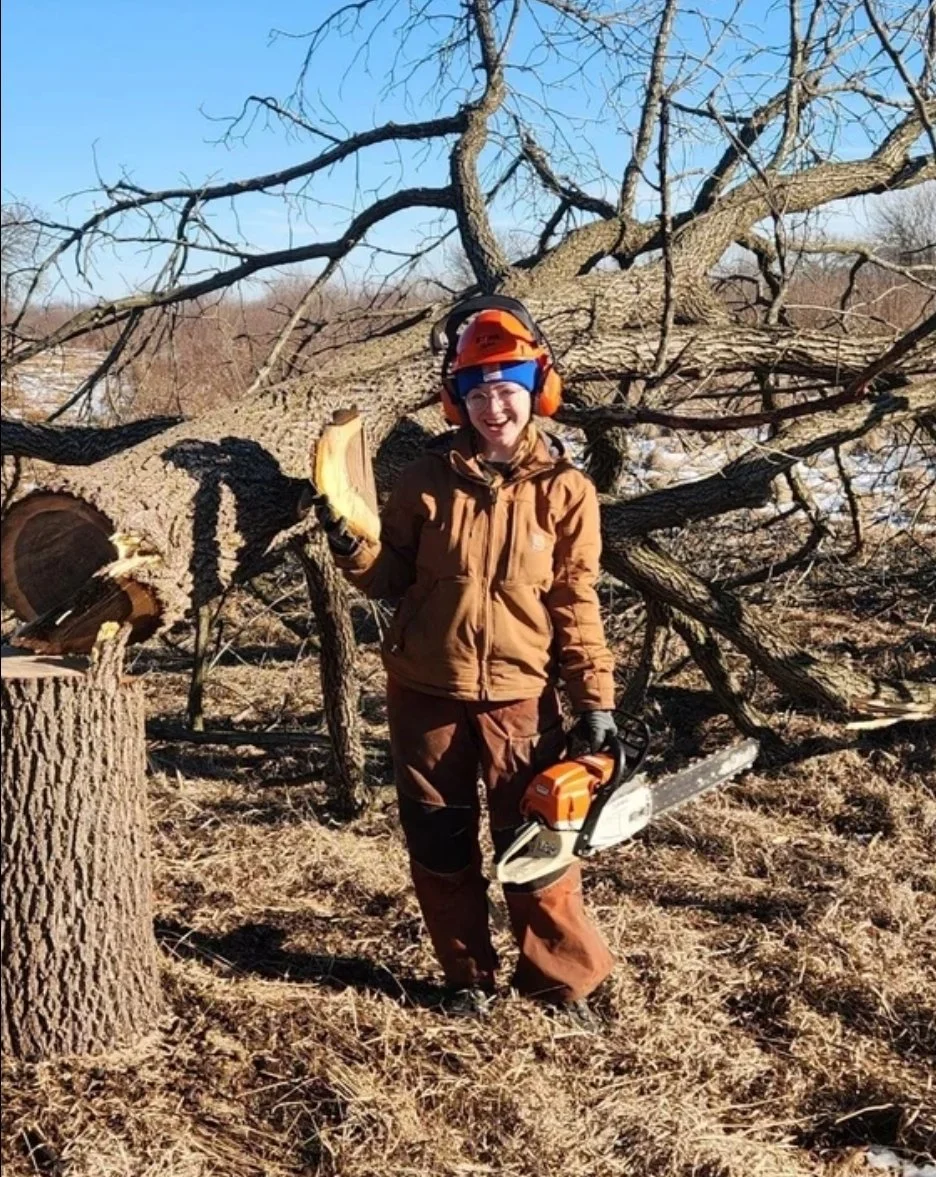
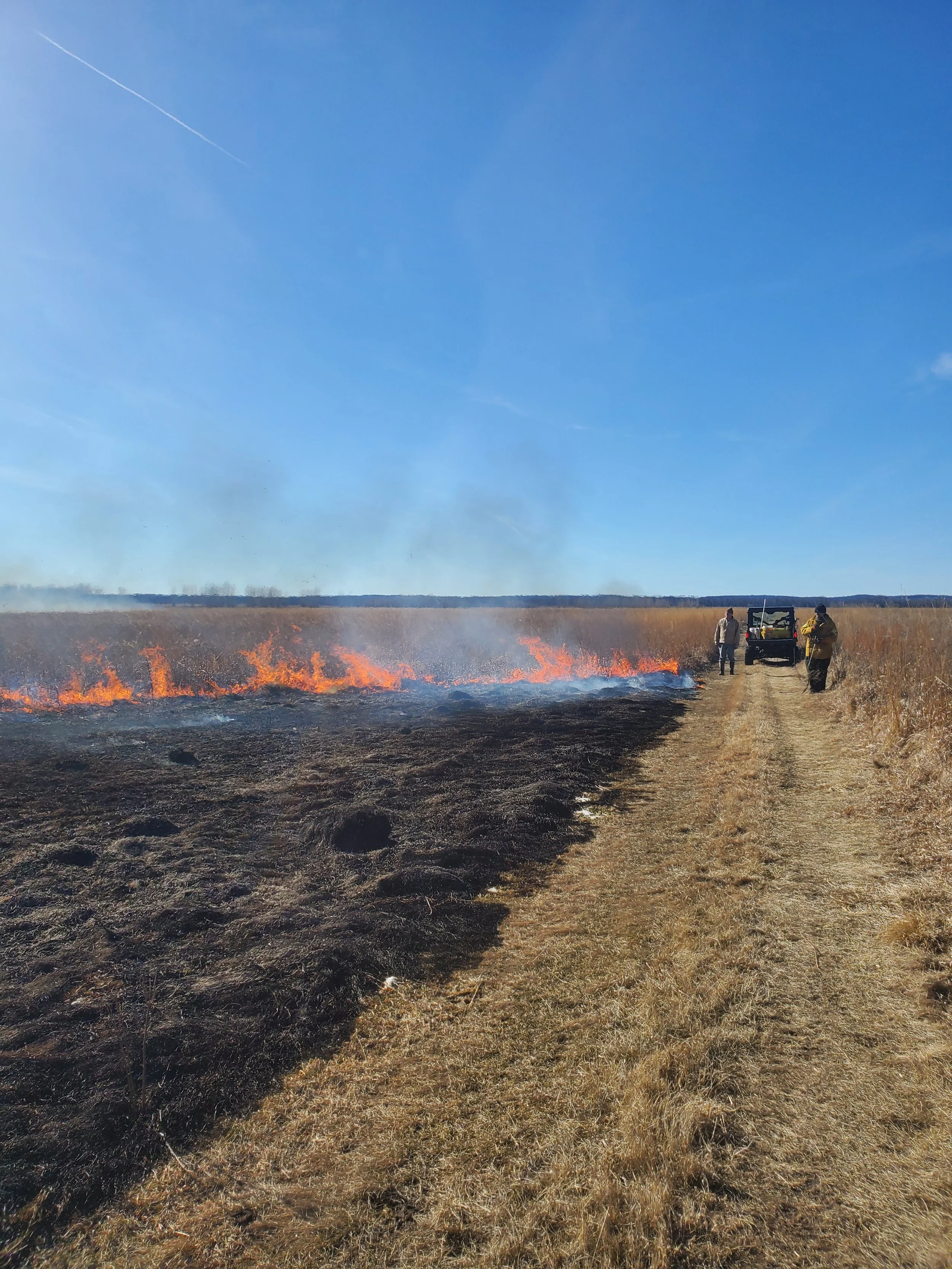
At the Dixon Waterfowl Refuge, Midewin National Tallgrass Prairie, and many other restoration sites across Illinois and Northern Indiana, our crews and volunteers spread native seed, clear brush, and even light fields on fire to clear out invasive species. Want to lend a hand? We host volunteer days all winter long. See upcoming volunteer opportunities.
This Thanksgiving, we’re grateful for the frogs, turtles, and muskrats, and for everyone who helps us restore the wetlands they live in. And if you nod off on the couch Thursday, don’t feel bad! Half the marsh is doing the same thing.
Happy Thanksgiving from all of us at The Wetlands Initiative!