
Restoring The Calumet Region
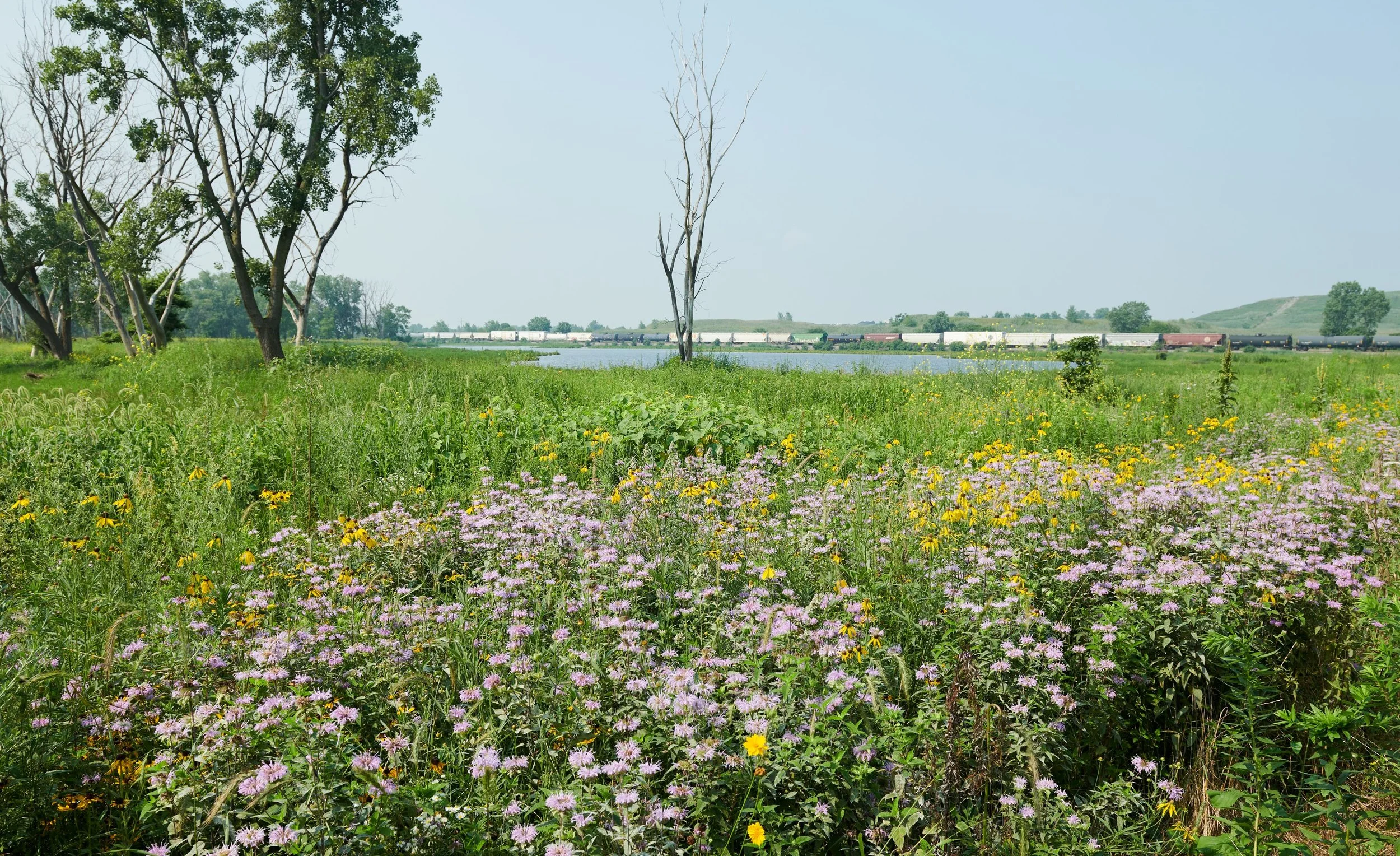
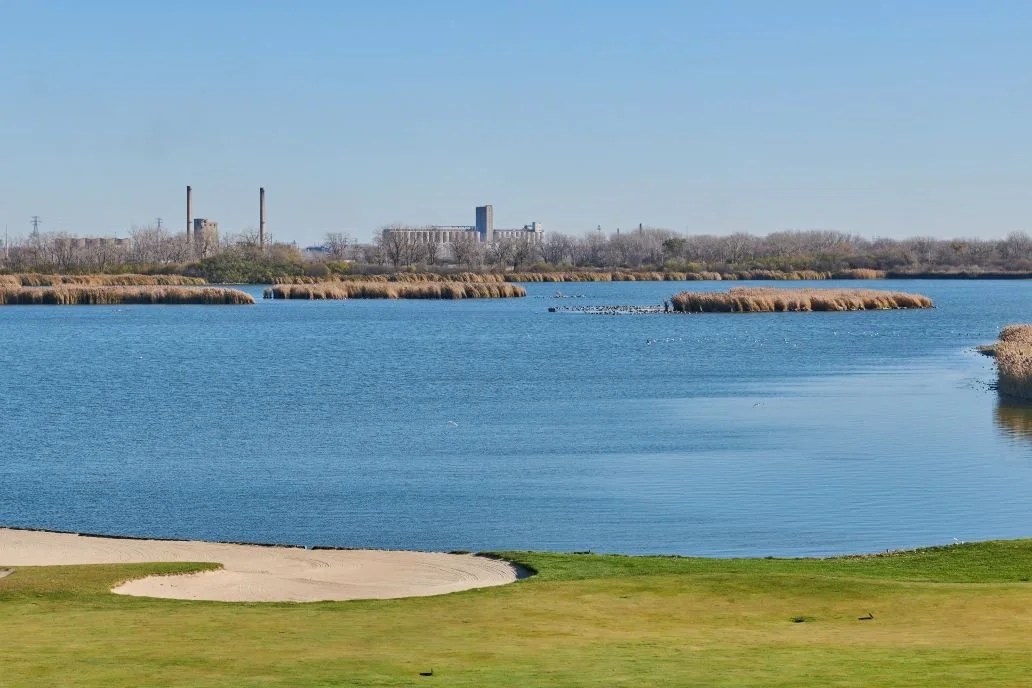
The Calumet region, stretching from southeast Chicago through northwest Indiana into southern Michigan, was historically one of the most biodiverse landscapes in North America. Early European settlers would marvel in their descriptions of the interconnected patchwork of marshes, bogs, shallow rivers, sedge meadows, rolling dunes, and swale they found, all stitched together by water.
After centuries of industry, urban development, filling and dredging, that landscape was fundamentally changed. Rivers were rerouted, water was cut off from the land it once fed, and invasive species took hold. Today, the Calumet is one of the most complicated restoration challenges in the Midwest, and it’s exactly the kind of work the Wetlands Initiative is meant for.
Did you know?
The name “Calumet” is believed to have come from the Potawatomi language meaning “low body of deep, still water.” It’s a fitting name for a region once defined by marshes, bogs, and slow-moving rivers.
“low body
of deep,
still water”
Since 2015, TWI has led the effort to bring Calumet’s wetlands back, proudly working side by side with residents, landowners, municipalities, agencies, and a wide network of conservation partners across Illinois and Indiana. Our approach pairs ecological science and hands-on engineering to restore that idyllic haven for native plants, wildlife, and the people who call the Calumet home. Across our projects, we involve surrounding residents and center their input, so restored natural areas welcome the public and reflect the community's needs and aspirations.
Hemi-marsh: Our Secret to Success
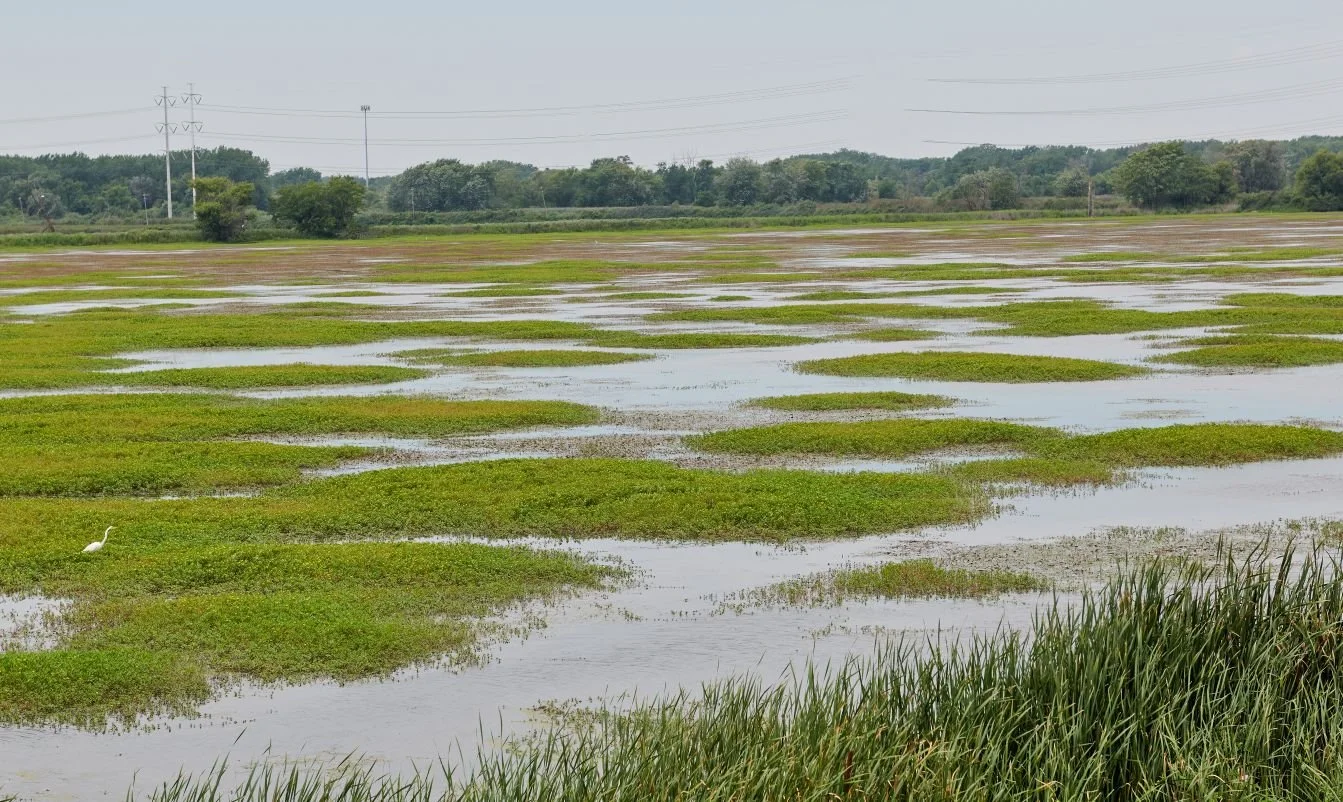
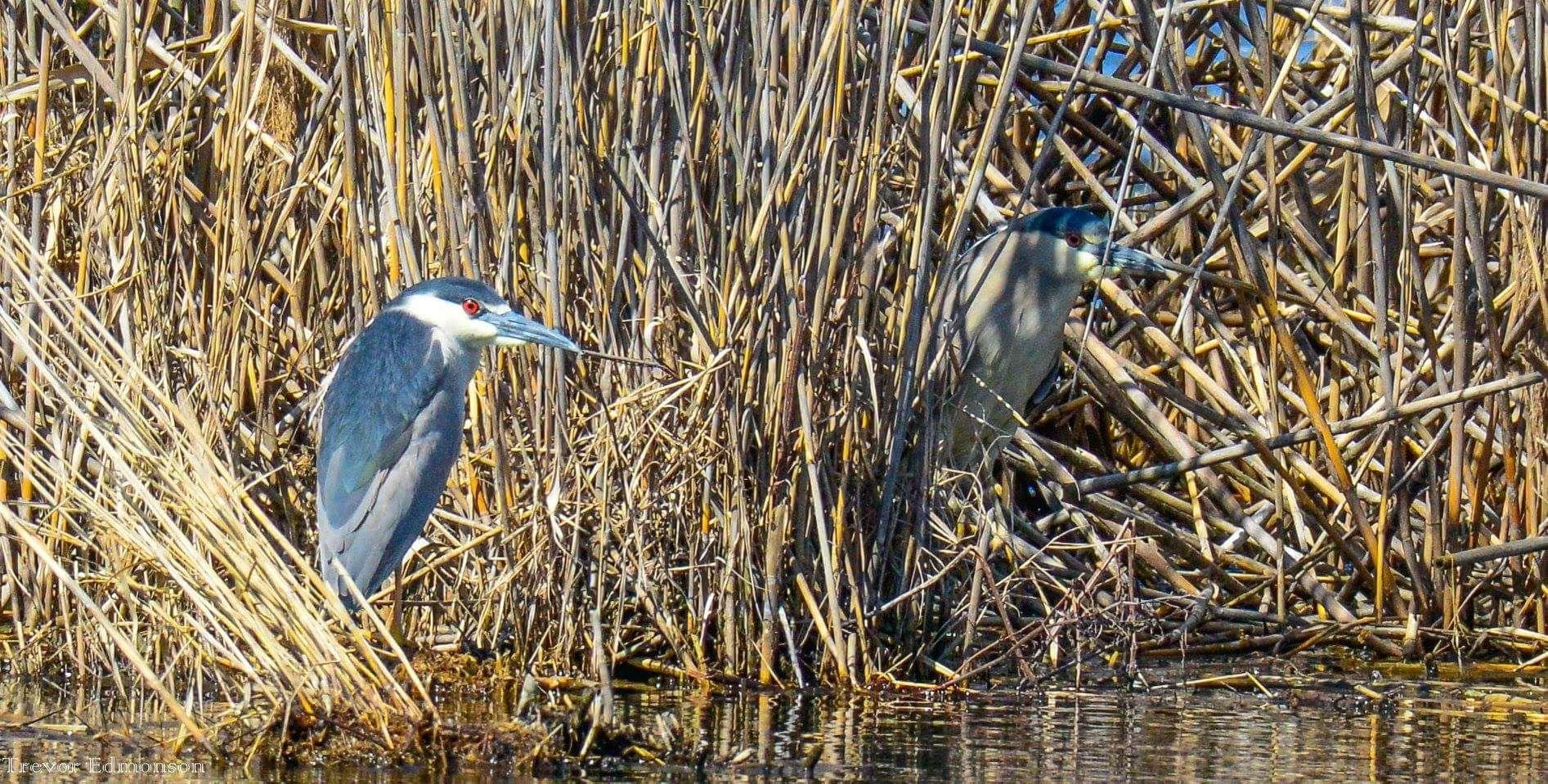
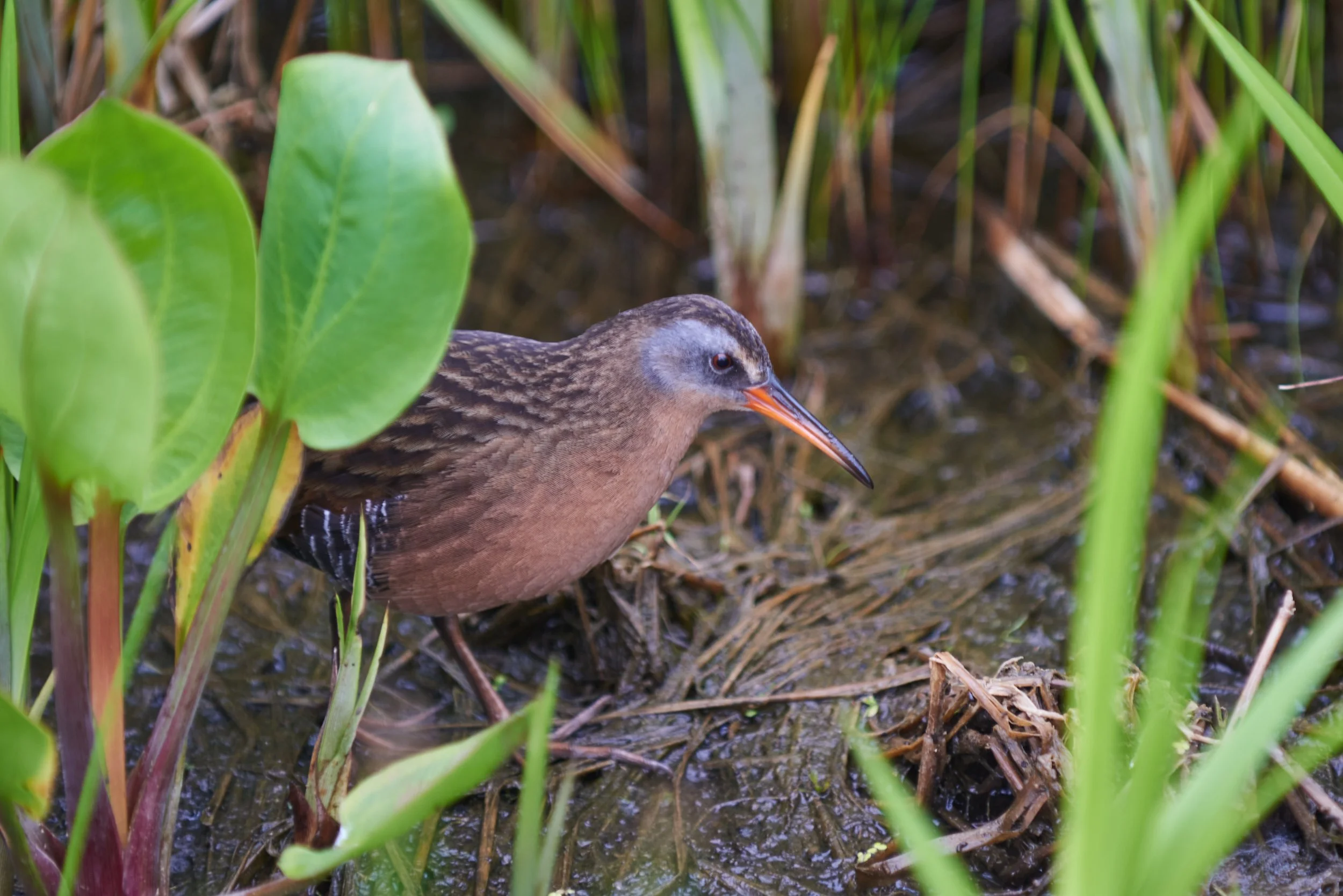
Hemi-marsh is one of Calumet’s signature habitats, and bringing it back is a cornerstone of the Wetland Initiative’s goals. What’s a hemi-marsh? Picture a marsh less than 2.5 feet deep that is about half open water and half emergent vegetation (plants that grow above the water’s surface), with the two interspersed in a patchwork rather than separated into large blocks. That balance and interspersion is what makes hemi-marsh so valuable. It’s the type of wetland that most of Calumet’s marsh birds depend on for breeding and nesting. For example, special birds like the Common Gallinule and Virginia Rail depend on that mix of cover and open water to raise their young safely protected from predators.
An example of healthy restored hemi-marsh at TWI’s Dixon Waterfowl Refuge in north-central Illinois.
Hemi-marsh used to be a common habitat across the broader Calumet region, but between rerouted water flow and invasive plants crowding out natives, most of those wetlands can no longer naturally create or sustain it on their own.
Restoring hemi-marsh takes a mix of tools, deliberate water level management, established marsh-adapted plants that hold the habitat together, and even a little help from nature’s four-legged environmental engineers.
The result is a wetland that stays dynamic year-to-year, supporting everything from fish and insects to the amphibians, birds, and mammals that call it home.
Did you know?
Muskrats are some of the best engineers working in Calumet’s wetlands! By feeding on dense cattails and other marsh plants, muskrats open up pockets of water within dense vegetation, helping create the fifty-fifty mix of plants and open water that makes a hemi-marsh.

Bringing a New Bend to the River
Across much of the Calumet, more than a century’s worth of industrial and agricultural development has forced rivers into straightened channels, a far cry from the natural curves and bends they once had. For example, at Marshalltown Marsh in Gary, Indiana, the Little Calumet River runs in an artificially straight line, and that lost meander is partly why high-quality wetland habitat hasn’t been able to take hold.
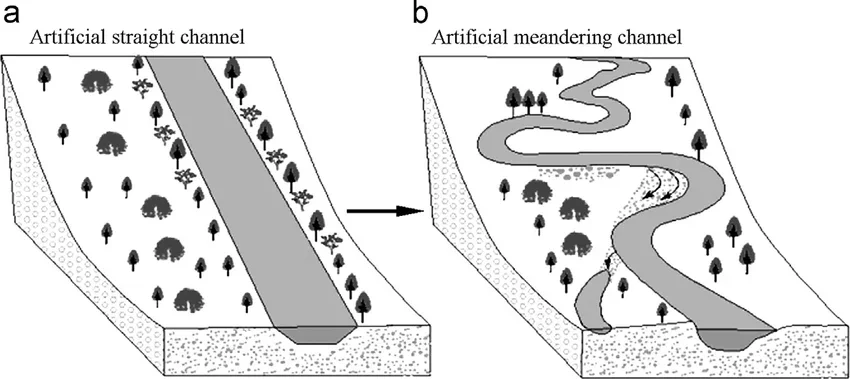
Diagrammatic sketch of restoration of the river meandering characteristics.
Image: Pan et al. (2016), International Journal of Sediment Research. Source.
To bring that habitat back, we’re working to restore natural curves and the flooding patterns that come with them. Our primary tool? River re-meandering. Reshaping the straightened channel to recreate natural bends, slowing the flow enough to reconnect with its floodplain. We’re creating collaborative designs to put this approach to work at Chase Street Wetland Complex and at Hatcher Park/Marshalltown Marsh. The result isn’t just better habitat, it’s more natural flow conditions, healthier wildlife populations, and new public access to green spaces that weren’t there before.
learn more
Want to help TWI restore the Calumet Region’s wetlands? Check out upcoming volunteer opportunities on our events calendar.